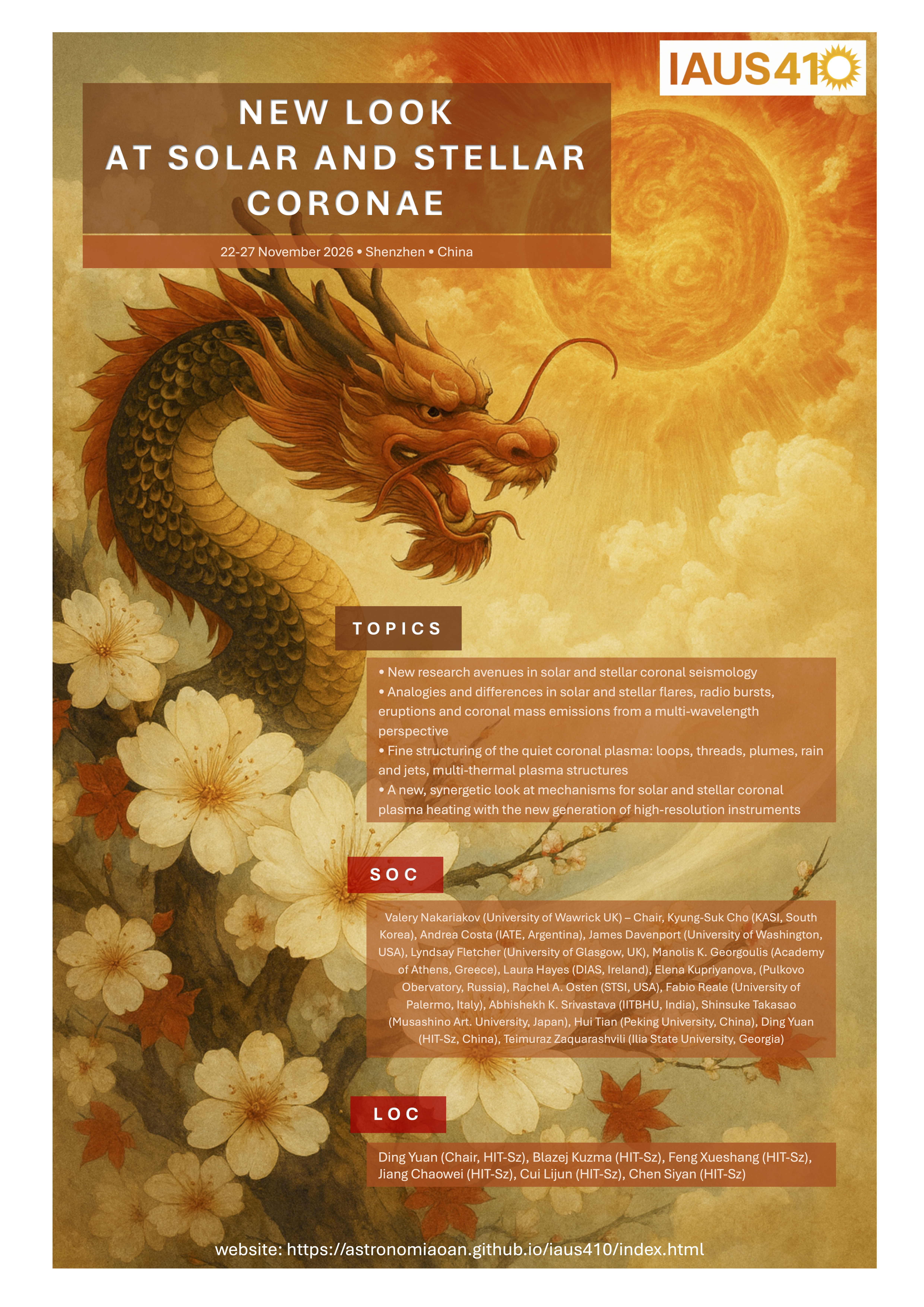
NEW LOOK AT SOLAR AND STELLAR CORONAE
International Astronomical Union Symposium 410
2026
2026
Shenzhen
22-27 November 2026
22-27 November 2026

Book your calendar!
The IAU Symposium 410 will bring together leading experts in solar and stellar coronal physics to bridge knowledge across traditionally separate research communities, continuing the legacy of IAU400. Building on rapid advances in high-resolution observations, numerical modelling, and machine-learning techniques, the symposium will focus on multi-wavelength impulsive events, such as flares and CMEs, fine plasma structuring, studies of coronal waves, and the mechanisms of coronal heating and solar/stellar wind. By fostering interdisciplinary exchange and strengthening solar – stellar connections, the meeting aims to open new pathways for understanding fundamental plasma processes operating in the Sun and cool stars, with implications for space weather and exoplanet habitability.
The symposium will be held in Shenzhen, one of China’s most modern and dynamic cities, known for its innovation-driven growth, coastal scenery, and vibrant cultural life. Conveniently accessible via the major international airports of Shenzhen, Hong Kong, and Guangzhou, the venue offers an excellent setting for scientific discussion and collaboration. Participants will enjoy a comfortable seaside location alongside a rich social programme, including visits to local scientific facilities, landmarks, and some of Shenzhen’s world-renowned attractions.
The symposium will be held in Shenzhen, one of China’s most modern and dynamic cities, known for its innovation-driven growth, coastal scenery, and vibrant cultural life. Conveniently accessible via the major international airports of Shenzhen, Hong Kong, and Guangzhou, the venue offers an excellent setting for scientific discussion and collaboration. Participants will enjoy a comfortable seaside location alongside a rich social programme, including visits to local scientific facilities, landmarks, and some of Shenzhen’s world-renowned attractions.
Scientific Organising Committee
Valery Nakariakov (University of Wawrick UK) – Chair
Kyung-Suk Cho (KASI, South Korea)
Andrea Costa (IATE, Argentina)
James Davenport (University of Washington, USA)
Lyndsay Fletcher (University of Glasgow, UK)
Manolis K. Georgoulis (Academy of Athens, Greece)
Laura Hayes (DIAS, Ireland)
Elena Kupriyanova, (Pulkovo Obervatory, Russia)
Rachel A. Osten (STSI, USA)
Fabio Reale (University of Palermo, Italy)
Abhishekh K. Srivastava (IITBHU, India)
Shinsuke Takasao (Musashino Art. University, Japan)
Hui Tian (Peking University, China)
Ding Yuan (HIT-Sz, China)
Teimuraz Zaquarashvili (Ilia State University, Georgia)
Kyung-Suk Cho (KASI, South Korea)
Andrea Costa (IATE, Argentina)
James Davenport (University of Washington, USA)
Lyndsay Fletcher (University of Glasgow, UK)
Manolis K. Georgoulis (Academy of Athens, Greece)
Laura Hayes (DIAS, Ireland)
Elena Kupriyanova, (Pulkovo Obervatory, Russia)
Rachel A. Osten (STSI, USA)
Fabio Reale (University of Palermo, Italy)
Abhishekh K. Srivastava (IITBHU, India)
Shinsuke Takasao (Musashino Art. University, Japan)
Hui Tian (Peking University, China)
Ding Yuan (HIT-Sz, China)
Teimuraz Zaquarashvili (Ilia State University, Georgia)
Local
Organising
Committee
Ding Yuan (Chair, HIT-Sz)
Blazej Kuzma (HIT-Sz)
Feng Xueshang (HIT-Sz)
Jiang Chaowei (HIT-Sz)
Cui Lijun (HIT-Sz)
Chen Siyan (HIT-Sz)
Lin Mei (Shenzhen Observatory)
Jianchuan Zheng (Shenzhen Observatory)
Dong Wang (Shenzhen Observatory)
Blazej Kuzma (HIT-Sz)
Feng Xueshang (HIT-Sz)
Jiang Chaowei (HIT-Sz)
Cui Lijun (HIT-Sz)
Chen Siyan (HIT-Sz)
Lin Mei (Shenzhen Observatory)
Jianchuan Zheng (Shenzhen Observatory)
Dong Wang (Shenzhen Observatory)
TOPICS
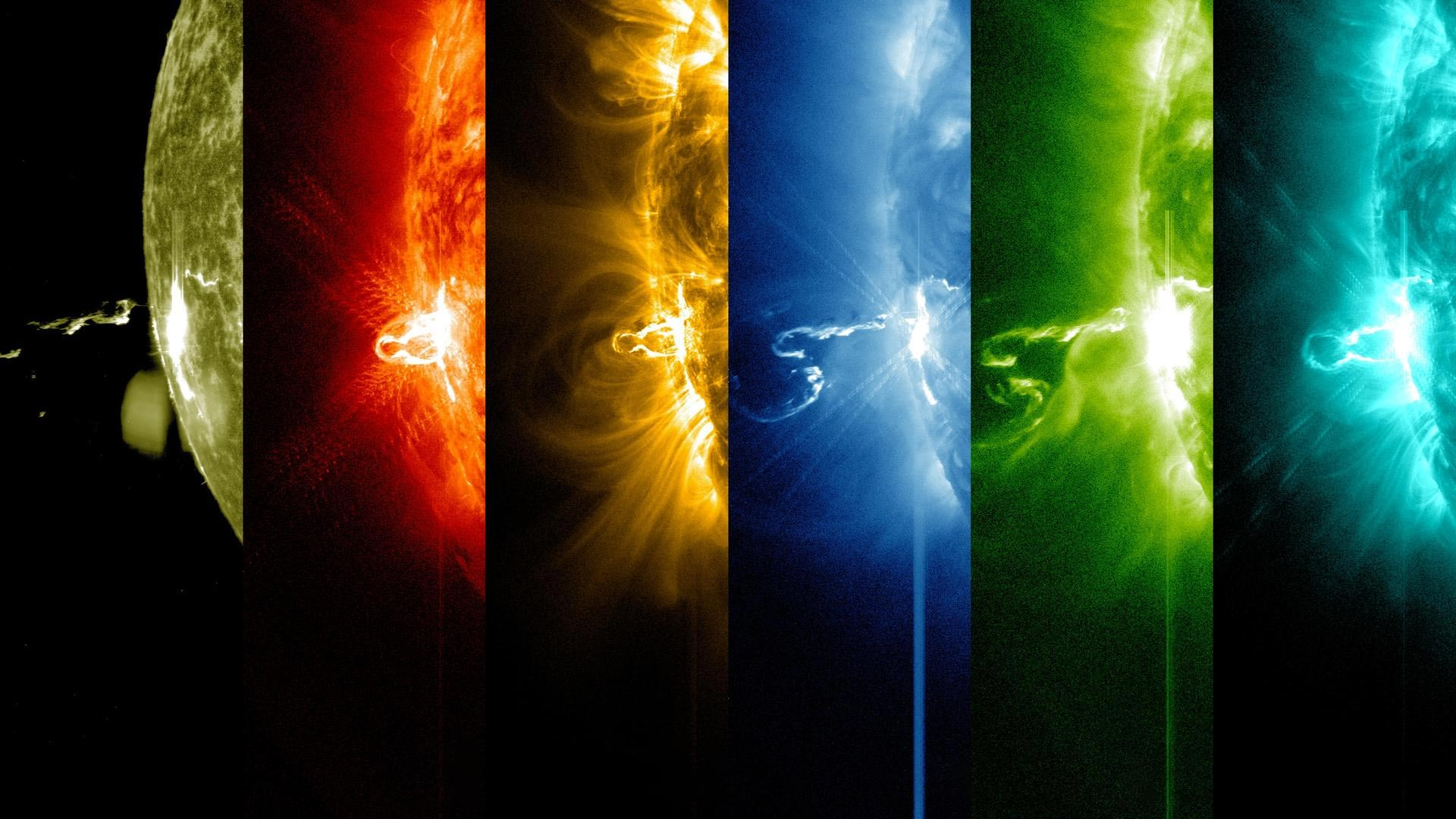
Solar and Stellar Flares and Impulsive Phenomena from a Multi-Wavelength Perspective
Investigate the analogies and differences between solar and stellar flares, radio bursts, eruptions, and coronal mass ejections across optical, UV, EUV, X-ray, and radio wavelengths. Examine mechanisms behind quasi-periodic pulsations (QPPs), including wave-induced and spontaneous repetitive magnetic reconnection, and how these processes manifest in both solar and stellar observations. Emphasis will be placed on the multi-wavelength diagnostics enabled by recently commissioned observational facilities, offering unprecedented insight into impulsive energy release processes.
Solar and Stellar Coronal Seismology – Probing the Corona with Waves
Explore emerging research directions in solar and stellar coronal seismology, including multi-messenger seismology and new inversion techniques for diagnosing coronal heating functions, magnetic connectivity, anomalous transport coefficients, and free magnetic energy. Discuss the growing role of machine learning and artificial intelligence in detecting wave processes within massive datasets, identifying intrinsically non-stationary quasi-oscillatory signals, and performing advanced seismological inversions. Highlight how next-generation instruments and modelling tools are transforming our ability to use waves as probes of coronal plasma conditions.
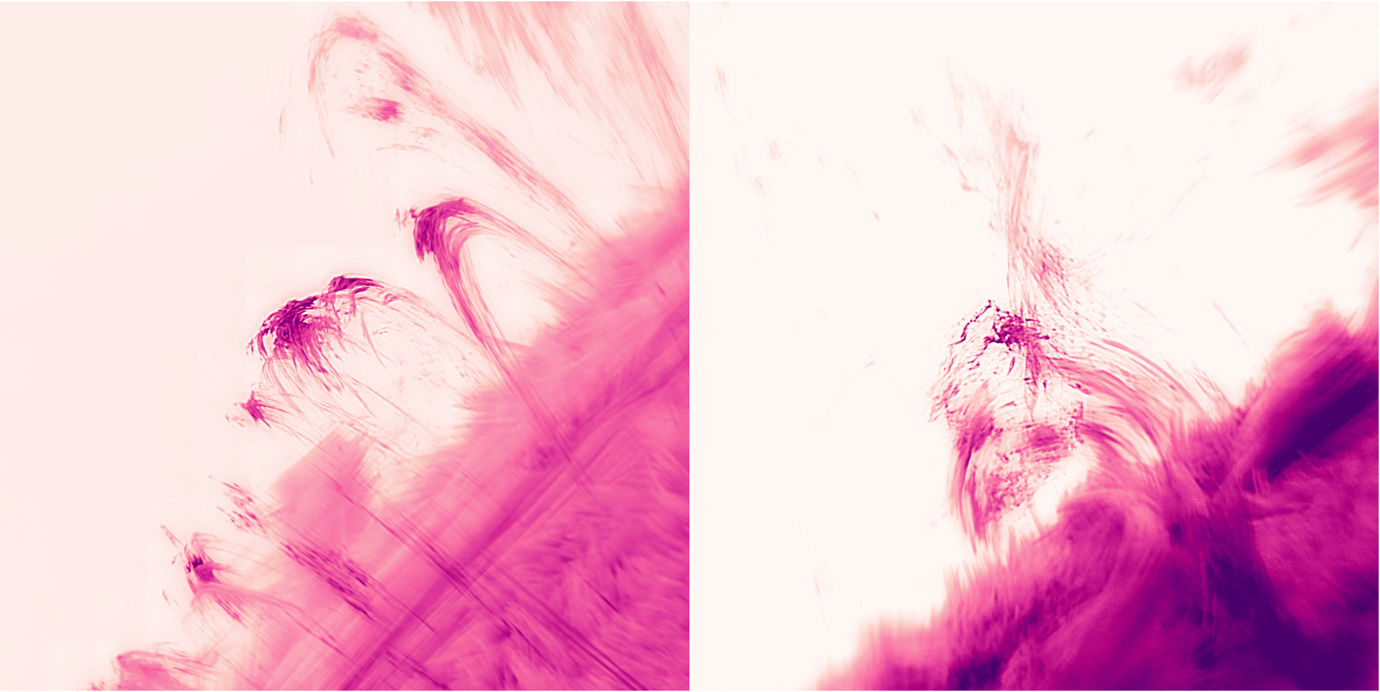
Fine Structuring of Coronal Plasmas
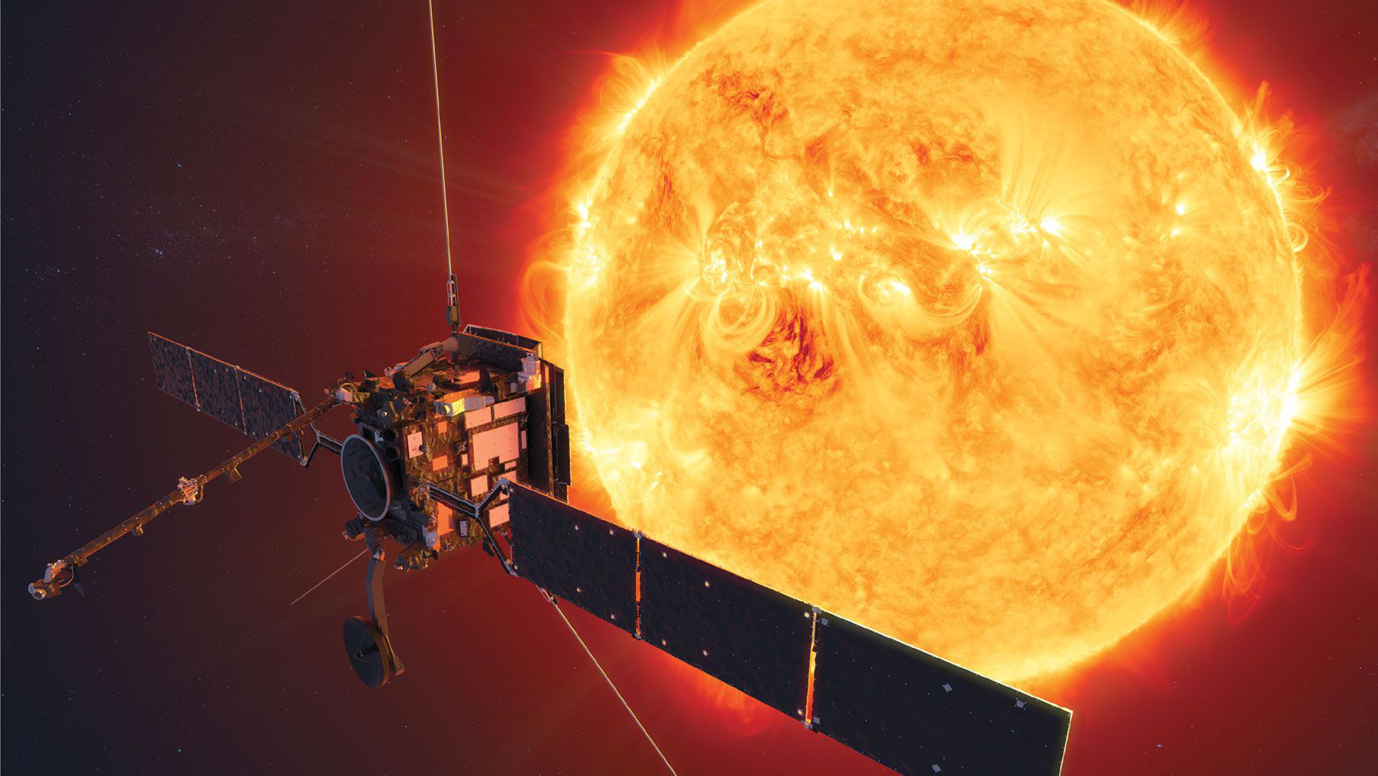
Delve into the intricate structuring of quiet coronal plasma – loops, threads, plumes, rain, jets, and multi-thermal plasma structures – and their roles in coronal dynamics and thermodynamics. Discuss observational and theoretical advances in diagnosing these fine-scale structures, including breakthroughs in the modelling of coronal thermodynamics, instabilities, jet formation, prominence evolution, and the initiation of coronal mass ejections. Highlight how state-of-the-art ground-based and spaceborne observatories (e.g., Parker Solar Probe, Solar Orbiter, SUTRI, ASO-S, ALMA, CHASE, DSRT, DKIST, SRH, NVST, PUNCH, Aditya-L1, UCoMP, TESS, and others) are providing a new insight into previously unresolved plasma processes.
New Synergetic Look on Solar and Stellar Coronal Plasma Heating
Examine new approaches to understanding the mechanisms responsible for heating solar and stellar coronae, powered by the latest generation of high-resolution instruments and large-scale numerical simulations. Discuss how the solar-stellar analogy can be exploited to gain fresh perspectives on flares, CMEs, coronal heating, and the physics of stellar winds. Explore how comparative studies of solar and stellar coronae – supported by expanding night-sky survey capabilities, novel radio instruments, and future missions such as Proba-3 and SKA – inform the estimation of exoplanetary habitable zones and improve our understanding of stellar activity across the HR diagram.
Important Dates
15 December 2025: First announcement
21 February 2026: Second announcement
TBA: Abstract submission opens
TBA: IAU Travel Grants deadline
TBA: Abstract submission deadline (oral)
TBA: Registration opens
TBA: Abstract submission deadline (poster)
TBA: Communication of selected oral/poster contributions and grants awarded
TBA: Early registration deadline
TBA: Registration deadline
22-27 November 2026: IAU Symposium 410 in Shenzhen
10 January 2027: Proceeding submission deadline
21 February 2026: Second announcement
TBA: Abstract submission opens
TBA: IAU Travel Grants deadline
TBA: Abstract submission deadline (oral)
TBA: Registration opens
TBA: Abstract submission deadline (poster)
TBA: Communication of selected oral/poster contributions and grants awarded
TBA: Early registration deadline
TBA: Registration deadline
22-27 November 2026: IAU Symposium 410 in Shenzhen
10 January 2027: Proceeding submission deadline
Event
Venue
The conference will take place at Wyndham Grand Shenzhen Guangming, one of Shenzhen’s premier destinations for events and gatherings. The venue features a contemporary auditorium equipped with advanced audio-visual technology, spacious and comfortable seating, and a refined, modern design that creates an inviting setting for conferences, presentations, and cultural programs.
Full
Agenda
and Speakers
The program for the symposium will be available soon. Explore our list of invited speakers and get a look at the exciting topics they will cover. Stay tuned for updates and check back regularly to discover the latest additions to our dynamic lineup.
Conference
Proceedings
Submit your contribution. Don’t miss the opportunity to be part of the IAUS410 Proceedings
.
.
Register
and
get visa to China
Register Now for IAU Symposium 410 – A Landmark Event in Solar and Stellar Physics! This symposium will provide a platform for exchanging ideas, fostering collaborations, and exploring the latest advancements in observational techniques, modeling, and theoretical approaches. Get our help in obtaining visa to China. Stay tuned for more updates!
IAU
Code of
Conduct
The International Astronomical Union (IAU) is committed to promoting and safeguarding astronomy in all its dimensions—research, communication, education, and development—through international collaboration. The IAU welcomes scientists from diverse backgrounds, united by the shared goal of advancing astronomical sciences. Scientific progress thrives in an environment built on mutual trust, respect, and integrity, free from harassment, bullying, and discrimination. The IAU Executive Committee is responsible for establishing professional conduct standards for its members in all IAU-related activities. This IAU Code of Conduct encompasses both an Ethics Policy and an Anti-Harassment Policy. All IAU Individual Members and Junior Members are expected to have read and adhere to this Code of Conduct. Furthermore, by registering for any IAU meeting or activity, participants implicitly agree to comply with the Code and its stipulated guidelines. For full details, please refer to the complete document.
Publication
of
Proceedings
The proceedings of the IAUS410 symposium will be published in the IAU Proceedings Series by Cambridge University Press (CUP) in 2027. To ensure your contributions are included, all papers must be submitted by a specific deadline to be announced later. This deadline is crucial for the review, revision, editing, and typesetting processes. Unfortunately, any submissions received after this date will not be accepted for publication.
We look forward to your valuable contributions!
We look forward to your valuable contributions!
Contact
Find us here
We want to stay in touch with you!
Follow us on our social media
#IAUS410
Follow us on our social media
#IAUS410


